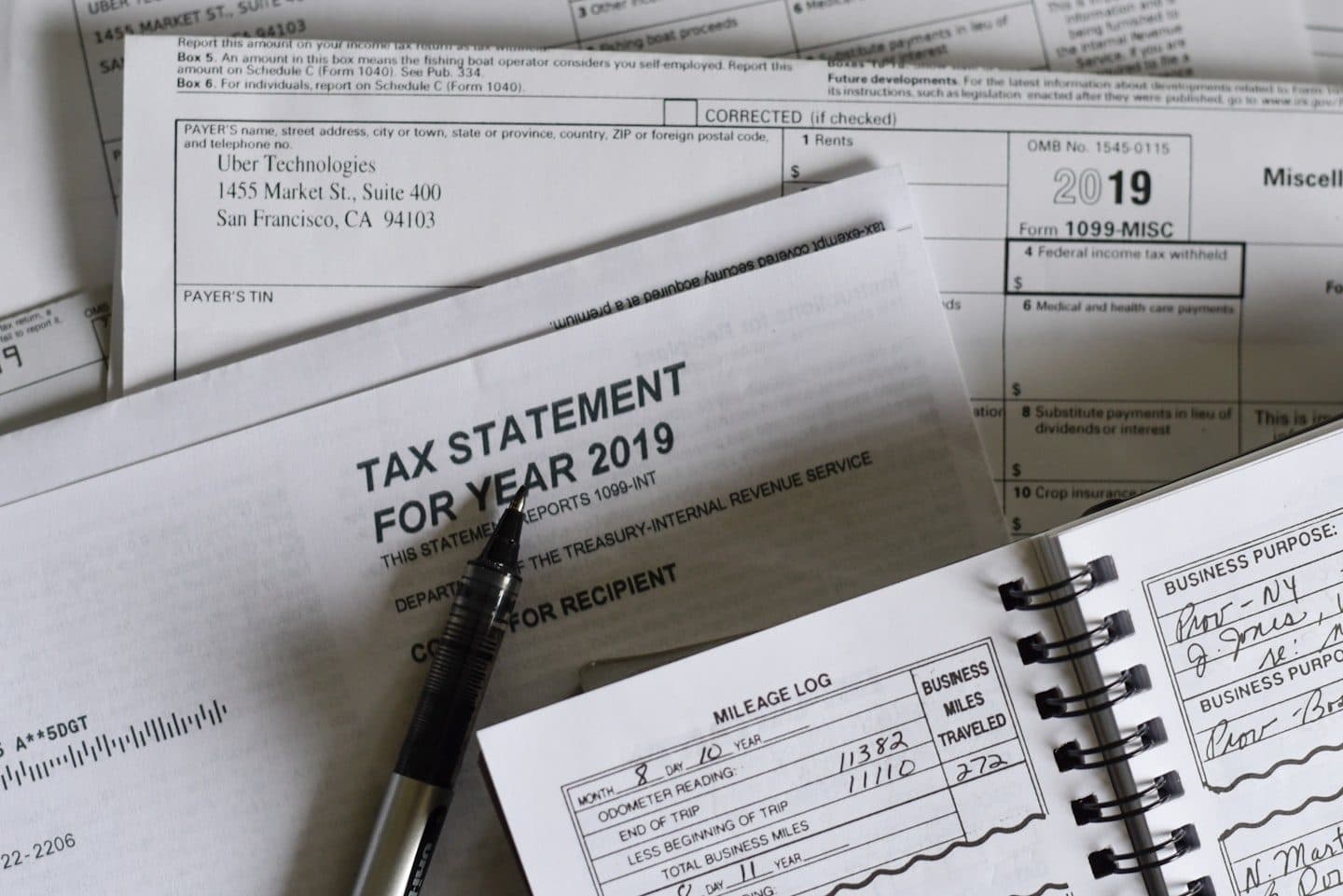
For a consultant, Form 16A is the proof that tax was deducted on your behalf and deposited with the government. It is what lets you claim TDS credit when you file your income tax return, reducing your final liability or generating a refund. But a Form 16A is only useful if the figures on it actually match what appears in your Form 26AS. Verifying that match, before you file, is one of the most valuable habits a consultant can build.
What Form 16A actually is
Form 16A is a TDS certificate issued for non-salary payments, including consultant professional fees under Section 194J. The hospital that paid you generates it from the TRACES portal after filing its quarterly Form 26Q. It states the amount paid to you, the tax deducted, the deposit details, and your PAN. Each hospital you work with issues its own Form 16A for the fees it paid you.
Why verification matters
You can only claim TDS credit that appears in your Form 26AS, the consolidated tax statement linked to your PAN. If a hospital deducted tax but filed the return incorrectly, mapped it to the wrong PAN, or never filed at all, the credit will not show up, and you cannot claim it. Verifying Form 16A against Form 26AS before filing catches these gaps while there is still time to get them fixed.
A Form 16A in your hand does not guarantee the credit is in your Form 26AS. If the hospital's return was wrong or unfiled, you may be unable to claim tax that was genuinely deducted from your fees. Always reconcile the two.
Where to get the documents
Form 16A comes from the hospital, generated through TRACES. Form 26AS you access yourself, through the income tax e-filing portal, which now also offers the Annual Information Statement (AIS) with even more detail. Having all three in front of you, each hospital's Form 16A, your Form 26AS, and your AIS, is the starting point for verification.
- Form 16A: from each hospital that paid you, downloaded from TRACES.
- Form 26AS: from the income tax e-filing portal, keyed to your PAN.
- AIS: the Annual Information Statement, for additional reported transactions.
- Your own earnings record: to confirm the amounts are complete.
How to reconcile, step by step
Reconciliation is methodical, not difficult. Lay each hospital's Form 16A beside your Form 26AS and confirm that every deduction matches in amount, quarter, and PAN. Discrepancies fall into a few predictable buckets, and each has a fix.
- List every hospital and the total TDS each one deducted from your fees.
- Open Form 26AS and find the corresponding entries under your PAN.
- Match each Form 16A figure to a Form 26AS entry by amount and quarter.
- Flag any deduction that appears on a Form 16A but not in Form 26AS.
- Contact that hospital to correct and re-file before you submit your ITR.
Common mismatches and their causes
Most mismatches trace to the hospital's filing: a deduction mapped to a wrong or old PAN, a return filed late so the credit appears in a later period, a quarter omitted, or a clerical amount error. None of these are your fault, but all of them are your problem at filing time, which is exactly why catching them early, while the hospital can still revise its return, is so valuable.
The TDS credit you cannot reconcile is the TDS credit you may never claim. Verification is not paperwork; it is protecting money that is already yours.
File with confidence
Once every Form 16A reconciles with Form 26AS, your ITR practically writes itself: your total professional income and your total verified TDS credit are both established and defensible. The consultants who verify first and file second rarely face notices, rarely lose credit, and rarely scramble. A few hours of reconciliation buys a year of peace of mind.